
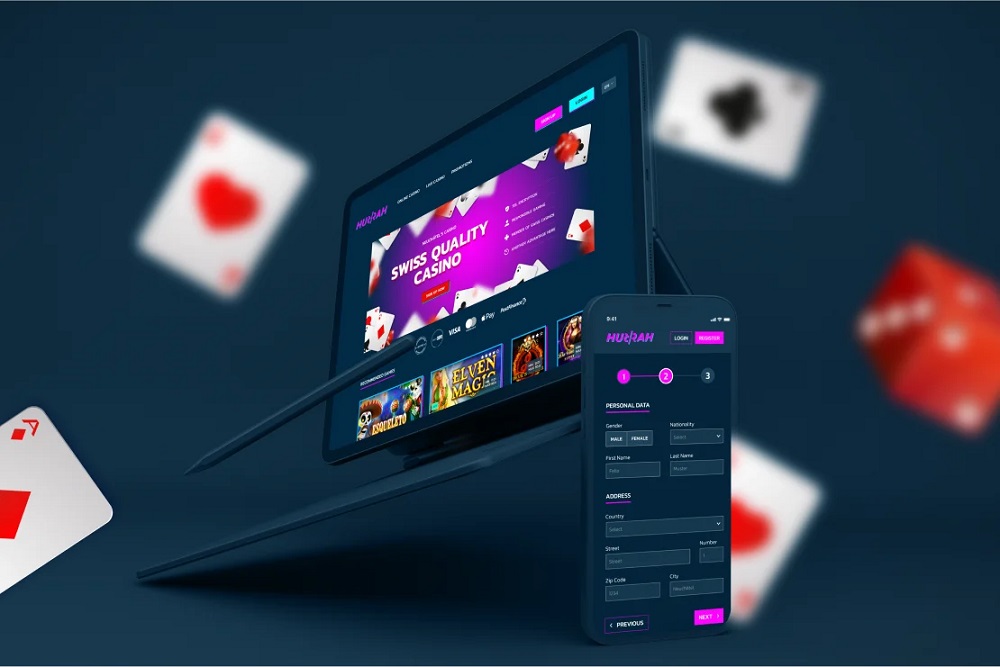

The digital gambling sector has undergone a massive transformation in recent years. In the early days of online wagering, platforms focused primarily on functional availability, providing basic digital replicas of slot machines and table games. Today, the marketplace is highly competitive, and technology has advanced significantly. As a result, the emphasis has shifted entirely toward user experience, often referred to as UX.
Modern players expect digital platforms to match the smooth, responsive, and visually polished experiences provided by mainstream streaming media and mobile video games. To meet these high expectations, online casino operators and software developers are overhauling user interfaces and design frameworks. By focusing on accessibility, psychological comfort, and technological speed, these modern design trends are completely reshaping how players interact with digital wagering platforms.
The Shift Toward Minimalism and Clutter Reduction
Historically, online casino landing pages were notorious for overwhelming their visitors. Bright, flashing neon banners, dense grids of game icons, animated jackpot tickers, and multiple competing promotional pop-ups created intense visual noise. This approach was intended to mimic the chaotic sensory excitement of a physical casino floor, but it often resulted in high bounce rates and user fatigue on digital devices.
Modern platform design embraces a clean, minimalist approach. By prioritizing negative space and utilizing structured layouts, developers allow the core content to stand out.
-
Simplified Navigation Pathways: Modern interfaces reduce the number of initial menu options. By grouping features into broad, logical categories, platforms help users find games or access account settings without clicking through multi-layered menus.
-
Focused Visual Hierarchies: Designers use size, color contrast, and strategic placement to guide the user’s eye naturally down the page. Instead of fighting for attention, promotional elements are integrated into smooth carousels or clean banners that complement the overall aesthetic.
-
Contextual Interfaces: Information appears only when it is relevant. For example, extensive banking details, licensing documents, and responsible gaming resources are neatly housed in the footer or dedicated drop-down sections rather than cluttering the primary play area.
Mobile First Frameworks and Responsive Architectures
With a significant portion of global players accessing digital entertainment via smartphones and tablets, platforms are no longer designed primarily for desktop screens and then shrunk down for mobile. Instead, developers utilize a mobile-first philosophy, building the core interface for smaller touchscreens and scaling it upward for larger displays.
This design methodology relies heavily on responsive architecture, ensuring that every element adapts to different screen sizes, aspect ratios, and orientations.
Touchscreens lack the precision of a mouse cursor, requiring interactive elements like buttons, spin triggers, and bet adjustment sliders to be large enough for effortless thumb interaction. Dynamic navigation elements, such as bottom-anchored sticky menus that remain within natural thumb reach, are standard practice.
Furthermore, responsive layouts optimize asset loading times, ensuring high-definition slot graphics and live dealer video streams load quickly even on standard mobile data connections.
Personalization Through Smart Dashboards
A major challenge for online platforms is managing massive game portfolios that often include thousands of individual slot titles, live tables, and specialty games. Expecting a user to manually scroll through these massive lists damages the user experience. To solve this, developers are building adaptive, personalized player dashboards.
When a user logs in, machine learning algorithms analyze past behavior, preferred volatility levels, historical bet sizes, and favorite game categories to curate a custom homepage experience.
Platforms highlight a “Recently Played” row so users can quickly resume their previous sessions. Smart recommendation engines suggest new titles based on themes or mechanics similar to the player’s favorites, resembling the user experience of major video streaming platforms.
Additionally, players can create custom favorite lists, allowing them to bypass the public lobby entirely and build a tailored, private casino floor.
Microinteractions and Immersive Feedback Loops
User experience is heavily influenced by minor details, often referred to as microinteractions. These are the subtle animations, transitions, and audio cues that occur when a user performs a specific action, such as clicking a button, hovering over a game tile, or adjusting a wager.
In modern casino design, microinteractions serve a vital purpose: they provide clear feedback and make the digital environment feel alive and responsive.
-
Tactile Haptic Feedback: On mobile devices, subtle physical vibrations accompany the spinning of a slot reel or the dealing of a card, anchoring the digital event in reality.
-
Fluid Visual Transitions: Rather than loading new pages with abrupt cuts, modern interfaces use soft fades, sliding panels, and smooth transitions to keep the user oriented during navigation.
-
Dynamic Hover States: On desktop computers, hovering over a game icon reveals useful preview data, such as the game provider, the return-to-player percentage, or volatile rating, without requiring the user to launch the software.
Dark Mode and Long Session Ergonomics
Player comfort during extended viewing periods is a major priority for modern UX designers. Prolonged exposure to bright blue light causes eye strain, headaches, and physical fatigue. To address this, online casinos have widely adopted dark mode interfaces.
By using dark gray, charcoal, and deep navy tones as primary background colors, platforms drastically reduce light emission. This creates a relaxed viewing experience that is gentle on the eyes, particularly in low-light environments.
Against these muted backgrounds, vivid game artwork, crisp typography, and vital notifications stand out clearly without requiring high brightness levels. This trend balances aesthetic appeal with player wellness and ergonomic comfort.
Advanced Search Logic and Granular Filtering
As game libraries expand, basic text search fields are no longer sufficient. If a player knows they enjoy high-volatility games with a historical theme and an expanding wild mechanic, a generic search bar forces them to dig through hundreds of unrelated titles.
Modern casino platforms use advanced database filtering to give users precise control over their searches.
Players can sort massive catalogs by game developer, themes like mythology, space, or classic fruit slots, specific mechanical features like megaways, cluster pays, or free spin rounds, and minimum or maximum betting limits. By giving users the tools to pinpoint specific gaming styles instantly, platforms eliminate the frustration of aimless scrolling and significantly improve overall satisfaction.
Transparent and Frictionless Financial Interfaces
The user experience extends far beyond the active gameplay areas; it encompasses the entire account management ecosystem, particularly the cashier section. Financial transactions are historically a source of friction, but modern design streamlines these processes to build trust and clarity.
Modern wallet designs clearly separate cash balances from active bonus funds, eliminating confusion regarding wagering requirements. Deposit and withdrawal menus present available payment methods in structured grids with clear icons, displaying processing times, minimum limits, and potential transaction fees upfront.
By eliminating hidden details and reducing the steps required to fund an account or initiate a payout, platforms build a transparent relationship that retains players over the long term.
Frequently Asked Questions
How does color theory influence user retention on online casino platforms?
Designers select color schemes based on the emotional states they want to encourage. Deep blues, rich purples, and dark grays promote a sense of security, stability, and relaxed focus, which helps minimize player anxiety. Conversely, vibrant gold, green, and red accents highlight wins, promotional deals, and interactive elements, providing bursts of excitement without overwhelming the underlying layout.
What role do vector graphics play in modern platform responsiveness?
Vector graphics allow visual assets to scale infinitely up or down without losing clarity or becoming pixelated. By using scalable vector graphics instead of standard raster images, online casinos ensure that icons, UI assets, and logos look sharp on everything from budget smartphones to large desktop screens, all while keeping file sizes low to maximize page load speeds.
How do modern interfaces handle responsible gambling tools without disrupting the player experience?
Rather than hiding safety features in distant menus or flashing intrusive warnings that disrupt gameplay, modern designs integrate these tools naturally into the primary account dashboard. Players can easily toggle deposit caps, loss limits, and self-exclusion periods through accessible toggle switches and clean control bars, framing player protection as a standard element of account management.
Why are traditional sidebar menus being replaced by floating navigation elements?
Traditional sidebars often require horizontal screen space that mobile devices cannot accommodate, or they require extra clicks to expand. Floating navigation elements, such as bottom bars or minimalist corner hubs, stay visible without blocking core content. This design gives players instant access to essential features like search or the cashier while maintaining maximum visibility for the game window.
How does typography affect the accessibility of an online casino site?
Typography directly impacts legibility across different devices. Modern platform design relies on clean, sans-serif fonts that remain sharp and legible even at small sizes on mobile screens. Designers also maintain strict contrast ratios between text and background layers to assist visually impaired users, using bolding and weight variations to distinguish between primary information and minor details.
What is progressive disclosure in user interface design, and how is it used in online wagering?
Progressive disclosure is a design strategy that manages complexity by showing only the necessary information at any given moment. In online casinos, this technique keeps complex features, like tournament leaderboards or multi-tiered reward programs, tucked away behind elegant accordion panels or expandable tabs, presenting the data only when a user intentionally clicks to view it.
